
When you are planning an extension for a period property, there are several important factors to consider. Older homes often have distinctive architectural features and proportions that need to be respected. While extending can improve space and functionality, it is essential to choose an approach that complements the existing building rather than detracts from its character. So what are the effective extension options for period properties?
A rear extension
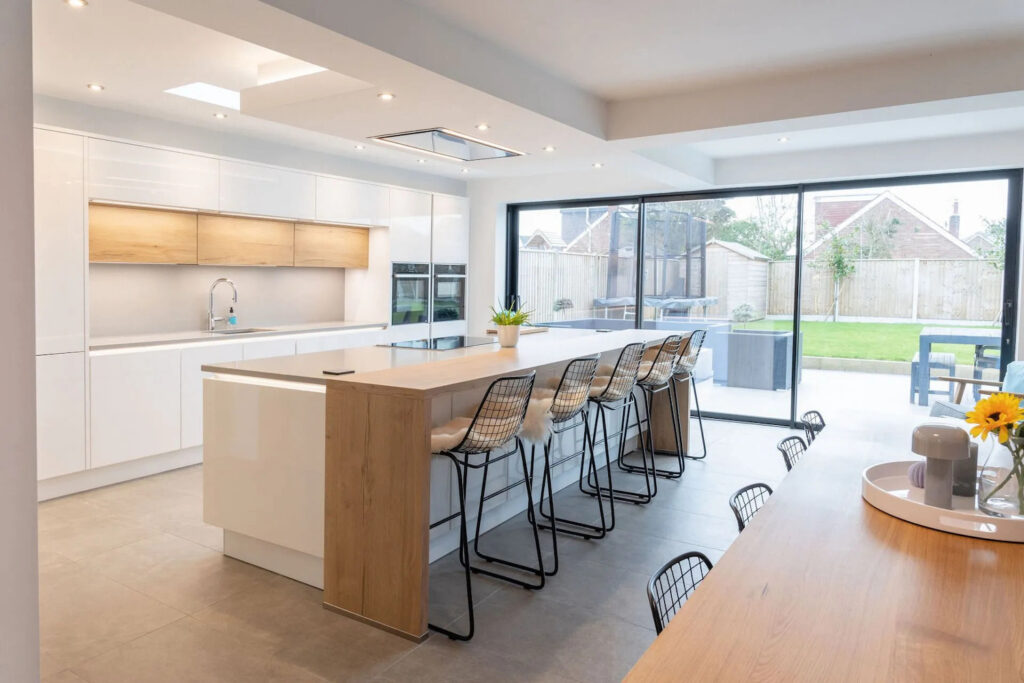
One of the most common and effective options is a rear extension. This type of extension is often less visible from the street, making it easier to maintain the original appearance of the property. A rear extension can provide additional living space, such as a larger kitchen or dining area, while allowing the front of the house to remain largely unchanged. When designing a rear extension for a period property, you should consider how materials, proportions, and details will work alongside the existing structure.
Side return extensions
Side return extensions are particularly popular for Victorian and Edwardian terraced homes. These properties often have a narrow, unused strip of land along the side, which can be incorporated into the interior space. By extending into this area, you can significantly improve the layout, especially in kitchens, without dramatically altering the overall footprint. This approach is effective because it makes use of space that might otherwise go unused, while still respecting the character of the original building.
Wraparound extensions
Wraparound extensions combine both rear and side return elements, creating a larger, more open space. This can be especially useful if you are aiming for open plan living. However, with period properties, it is important to ensure that the scale of the extension does not overpower the original house. Careful design is needed to maintain a sense of balance between old and new.
Double storey-extensions
Another option to consider is a double-storey extension. This can add both ground floor and first floor space, making it a practical solution if you need additional bedrooms as well as living areas. For period properties, aligning the new extension with the existing architectural style is particularly important. This might involve matching brickwork, rooflines, and window styles, or choosing a complementary contrast that still feels appropriate.
What are the challenges when extending a period property?
While there are many options available, extending a period property also comes with specific challenges that you should be aware of, including:
- Maintaining the character of the building: One of the main challenges is maintaining the character of the building. Period properties often have unique features such as decorative brickwork, sash windows, or traditional layouts. It can be difficult to integrate new elements without disrupting these features. You will need to consider how the extension will affect both the interior and exterior appearance of the property.
- Planning permission: Planning permission can also be more complex for period homes, particularly if the property is listed or located in a conservation area. There may be restrictions on what changes you can make, including the size, design, and materials used in the extension. It is important to research these requirements early in the process and, if necessary, seek professional advice to ensure compliance.
- Structural considerations: Structural considerations can present additional challenges. Older buildings may not have been constructed to modern standards, and their foundations or walls may require reinforcement before an extension can be added. This can increase both the complexity and cost of the project. A thorough assessment of the existing structure is essential before any work begins.
- Connect with the existing building: Another issue to consider is how the new extension will connect with the existing building. Differences in floor levels, wall thicknesses, and construction methods can make this more complicated than in newer properties. Careful planning is needed to create a seamless transition between the old and new spaces.
So what are the effective extension options for period properties?
There are several effective extension options for period properties, including rear, side return, wraparound, and double-storey designs. Each offers different benefits, but all require careful consideration to ensure they complement the original building. By understanding the challenges involved and planning accordingly, you can create an extension that enhances your home while preserving its character and charm.
Here at D B Joinery and Building Services we offer a range of high quality services for all manner of joinery and building projects, across Preston and with wider Lancashire region, including Lytham and Fulwood. This includes creating outstanding home extensions. Why not get in touch today to find out more?